How Businesses Can Eliminate Redundant Content Processes with Headless CMS

Redundant content processes are one of the most common inefficiencies in today’s organizations. As many businesses have grown in size and developed multiple channels of distribution for their products and services, it is common for the same content to be created in various formats, and for that content to be manually entered into multiple content management systems.
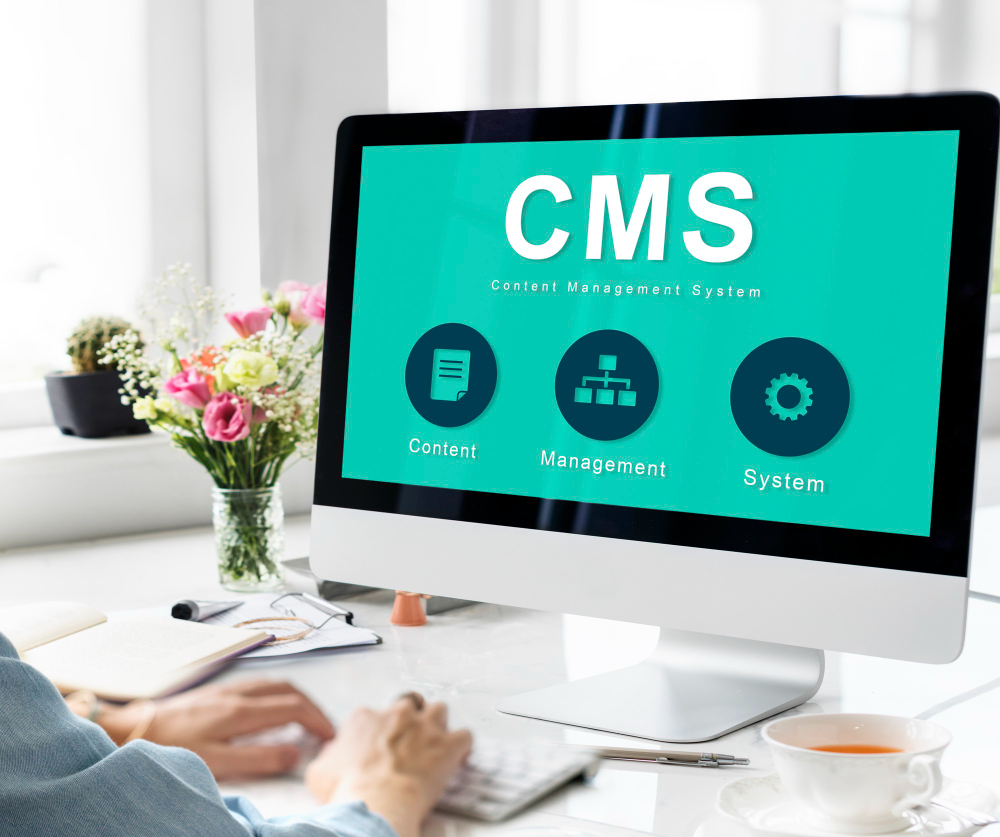
One of the solutions to this problem is the use of a headless content management system. A headless CMS allows for the development of reusable content that can be distributed to various channels from a single source. This can eliminate the redundant processes that often develop within these organizations, which streamlines their operations. For these reasons, a headless CMS is an essential technology for organizations looking to develop and distribute content efficiently and effectively in today’s marketplace.
Identifying the Root Causes of Content Redundancy
Before eliminating content redundancy for business operations, it is important to understand its root causes. Many businesses still employ systems that have been established in the past but which were not created with the intention of distributing content to multiple channels, which is why many organizations look to Get started with Storyblok as a way to modernize their content infrastructure. Additionally, many teams are structured as silios within the company, each managing their content for their various channels.
Another cause of redundant content is the lack of a content model for the team. Content being managed as static pages only creates difficulties for teams to efficiently manage their content. As a result, teams resort to performing copy and paste functions within the company’s content management systems.
By understanding these root causes of redundant content within business operations, teams can begin to implement changes that will ultimately eliminate that redundancy.
Centralizing Content into a Single Source of Truth
Another benefit of implementing a headless content management system for a company’s content operations is the ability to centralize their content. All of a company’s content can be stored in one location, but distributed to multiple channels through the headless CMS and its APIs. This can eliminate the redundancy of storing the same content in multiple locations.
Additionally, any changes that are made to the content that is stored in this central repository will automatically be reflected in the content that is published from those channels. This can save the company time and ensure that the content that is published is accurate.
Another benefit to having a single source of truth for a company’s content is that all members of the team can access and manage that content. This can reduce any confusion regarding the content that is published by the company. Overall, this process can significantly reduce the redundant processes performed by the company and increase its efficiency.
Structuring Content to Eliminate Redundancy
One of the best ways to eliminate redundant content for a company is through the structure of that content. A headless content management system allows businesses to structure their content in a way that allows them to re-utilize their content for various channels and platforms.
By breaking their content into components, such as headlines, descriptions, images, and calls to action, for instance, a company can ensure that it is not having to create the same content for various platforms.
This benefit of a headless CMS can save a company time and effort. It also ensures that the content that is published to multiple channels is consistent.
Additionally, the structure of content allows for flexibility within the content that gets published by the company. As such, a company can eliminate content redundancy and create an efficient content workflow for themselves.
Automating Content Distribution Across Channels
Managing content across multiple channels manually creates redundancy within the team. As teams have to manually update the same content on various platforms, the process is both time-consuming and filled with opportunities for errors. A headless content management system allows for the automatic distribution of content to various platforms.
As the content is stored on a headless content management system, any changes made to the content are automatically reflected on all channels the content is published on. This significantly reduces the manual efforts required from the teams to update content on various platforms.
Automation allows teams to focus on more important and strategic tasks. They no longer have to devote their time to updating content on multiple platforms manually. This significantly streamlines the various processes within the organization and reduces the redundancy of tasks.
Enhancing Collaboration to Avoid Duplicate Efforts
Teams working on a project without proper collaboration tools often end up creating the same content for similar purposes. This creates redundancy in their efforts. A headless content management system allows all members of a team to access the same platform to manage content.
The centralized management of content allows teams to view all content created by the team. This significantly reduces the chances of creating the same content for similar purposes. Thus, enhancing the collaboration between team members ensures that resources are used efficiently.
When teams work together effectively, they can plan the production of the content in such a way that it can serve multiple purposes. This significantly reduces the need for the creation of redundant content. A good collaborative environment between team members will significantly reduce the instances of redundant processes within the organization.
Reducing Maintenance Effort Through Centralized Updates
Maintaining content on various platforms creates a significant burden on the organization. Any changes made to content have to be manually made on all content platforms, creating opportunities for errors.
A headless content management system allows for the centralized updating of content. Any changes made to the content on the headless content management system are automatically applied to all platforms where the content is published. This significantly reduces the efforts required to maintain the content in an updated state.
The centralized updating of content also ensures that the content published on all platforms is up to date. This significantly reduces the instances where content might be outdated or inconsistent across all platforms. The centralized maintenance of content is a crucial tool for any organization aiming to significantly reduce redundancy in their operations.
Supporting Scalable Content Operations
As the business evolves, so does the complexity of the content operations. Working without a scalable infrastructure will result in issues related to redundancy within the content operations. A headless content management system will provide the scalability needed for the content operations to keep up with the growth of the business.
By implementing a headless CMS, organizations will have the ability to redistribute content throughout the platforms, automating much of the content creation process. This will allow them to handle larger volumes of content without adding to their workload.
Additionally, creating new channels for the company will allow them to support the content operations for these new channels without adding to their existing efforts.
Scalability will allow the content operations to evolve with the business. Should the company change or develop new content and features, the headless CMS will allow for this development without significantly changing their content operations. This will ensure that the content operations will remain efficient with the company as it develops.
Improving Content Consistency Across All Touchpoints
Ensuring that all content is consistent with the company’s brand is critical. However, implementing the redundant content creation processes will ensure that inconsistencies in content exist. Using a headless content management system will centralize the content that the company creates and allows for the reuse of that content.
By having all content managed in a headless CMS, the company will have better control over ensuring that all content published across their platforms is consistent with one another.
This improvement in content consistency will eliminate the need for corrective actions performed on content from various platforms that will add to the redundancy of their efforts.
Leveraging Data to Optimize Content Processes
Using data to identify the redundant processes that exist in content operations and eliminating them will drastically improve the efficiency of the content operations. One of the benefits of using a headless content management system is the ability to leverage the data from various content platforms to optimize the content creation process.
Using data analytics tools, the organization can identify which content is being duplicated unnecessarily and which content operations can be streamlined.
By leveraging the data from their content operations, they can expect a reduction of redundancy in their content operations. Additionally, using this strategy will ensure that the improvements to the content operations are based on data, ensuring that the outcomes of these changes will be effective and sustainable.
Creating a More Efficient and Agile Content Ecosystem
Eliminating redundant content processes creates more efficiencies for the organization. A headless CMS makes it possible to create a more agile and efficient content ecosystem by allowing teams to focus on their most important tasks.
By eliminating redundancy in content creation, teams have more time to focus on improving the quality of their content. They can also dedicate more resources towards optimizing the content that remains in production. This results in an improvement in the organization’s productivity as they must complete fewer tasks to accomplish the same task as before.
Adopting a headless CMS allows teams to transform their processes and create a more efficient content ecosystem. Not only will this improve the organization’s performance, but it will also allow them to outperform their competition in the market.
Minimizing Content Duplication Through Smart Content Relationships
One of the major issues that contributes to redundant content processes is the inability to connect to related content. Most content management systems require that related content for certain pages is published and published separately. This creates a significant amount of workload for content teams and creates difficulties in ensuring that all related content is in sync with the requirements of the other pages.
A headless CMS allows for the connection of related content within the website. Teams can save related content such as product descriptions, disclaimers, and other content elements and connect them to the appropriate pages. This ensures that all related content is in-sync with the content on the pages it is linked to without having to redundantly publish the same content.
Smart content relationships can significantly reduce the redundancy of content that a team must create while also ensuring that all content is connected in the content ecosystem.
Streamlining Localization Without Recreating Content
Localization is another area in which redundancy becomes a significant challenge for growing organizations. As companies expand, they must adapt their content for different languages and regions. This adaptation rarely involves translating content from one language to another; instead, the tone, visuals, and messages must be adapted to resonate with the audience of each region. Often, this adaptation process forces companies to recreate their content for each region, thus creating redundancy within their content management processes.
A headless content management system helps teams manage localization processes more efficiently. For each region a company serves, a team can create the core content once and then adapt the content according to the needs and preferences of that region. This approach ensures that the brand maintains consistency while adapting to the specifics of each region. It also simplifies the content management process for their teams.
Another benefit of using a headless CMS for localization processes is that it ensures that the brand maintains consistency in its messaging. When content is duplicated for various regions, it can be challenging to ensure that each instance of that content is up to date with the brand’s current standards. Any inconsistencies created through this duplicated content can be problematic for the brand. By managing localized content separately from the brand’s core content, companies can maintain consistency in their brand communications.
Furthermore, the headless CMS can drastically speed up the content update process for a brand. When a company updates its core content, the changes are automatically reflected in other regions without having to duplicate the changes. Any content adapted for individual regions remains untouched. Updates save the brand time and effort and allow them to maintain their content standards.
Finally, a headless content management system allows a brand to scale its operations effectively. By minimizing redundancies in their content creation and management processes, brands can scale their operations globally. A headless CMS can help them manage content effectively, even as they expand their operations internationally.