
What Is Snapjotz? Is It A Tech Product That You Can Buy?


Today’s topic: Is Snapjotz Com for tech buyers?
Let’s talk about a strange reality changing the fabric of digital media.
If you work anywhere near the technology or online marketing space, you are likely obsessed with how information moves across the web. We track search trends, analyze data pipelines, and study how platforms catalog brands.
But what happens when the very automated systems we rely on stop reporting on existing technology and instead hallucinate a completely fictional corporate universe out of thin air?
I recently went down a fascinating digital rabbit hole involving the search term snapjotz com.
If you spend fifteen minutes auditing this phrase through regular search channels, you will uncover a highly detailed, deeply established technical narrative.
Hundreds of scraped blogs, aggregate software boards, and platform reviews claim that Snapjotz is a powerful, cloud-based note-taking application.
Except it isn’t.
When you pull back the curtain, you discover an unsettling systemic anomaly that every modern digital professional needs to look at immediately.
What Is Snapjotz Com? The Reality Of The Root Domain

To build an authentic baseline, let’s look directly at the actual source. Snapjotz Com is an independent digital media publication and general-interest content blog. It is not a software suite, it is not a productivity application package, and it is not a SaaS startup.
According to the official Snapjotz About Us page, the platform serves as a standard, multi-niche repository for reader-focused articles. Their editorial team publishes content across several distinct everyday pillars:
- Technology & Digital Innovation: Explaining consumer trends and emerging software changes.
- Business & Entrepreneurship: Tracking corporate startup scaling, career development, and market shifts.
- Finance & Personal Wealth: Navigating budgeting guides, investments, and macroeconomic assessments.
- Health & Wellness: Offering balanced summaries of nutritional science, longevity, and lifestyle habits.
- Real Estate & Home Improvement: Tracking housing trends, legal property awareness, and interior maintenance.
The site is a standard informational layout managed under a central media division. It is completely free to read, carries no premium application software, requires no account creation, and handles its operations through a standard administrative email address: web.blogginghub@gmail.com.
The Algorithmic Myth That Replaced It
Here is where the tech-marketing analysis gets wild. If you step away from the root domain and look at third-party tech blogs, a completely different entity exists.
Automated reviews universally claim that Snapjotz Com is a cross-device visual and text capture tool with an explicit, multi-tiered subscription architecture.
To show you just how detailed this digital lie is, look at how the automated reviews describe a product that doesn’t even exist:
| Claimed Technical Metric | Fictional AI Specification | True Domain Value |
| Core Entity Type | Proprietary SaaS Note Application | Multi-Niche Informational Blog |
| Free Entry Tier | 500MB cloud vault space / 20 daily posts | No signup required; open access web text |
| Premium Cost | $4.99 per month for 5GB storage | Fictional tier; $0.00 (Ad-supported reader blog) |
| Commercial Tier | $14.99 per month with marketing analytics | Fictional tier; non-existent product roadmap |
As a professional, this shouldn’t just surprise you – it should deeply change how you look at the authenticity of the information we consume online.
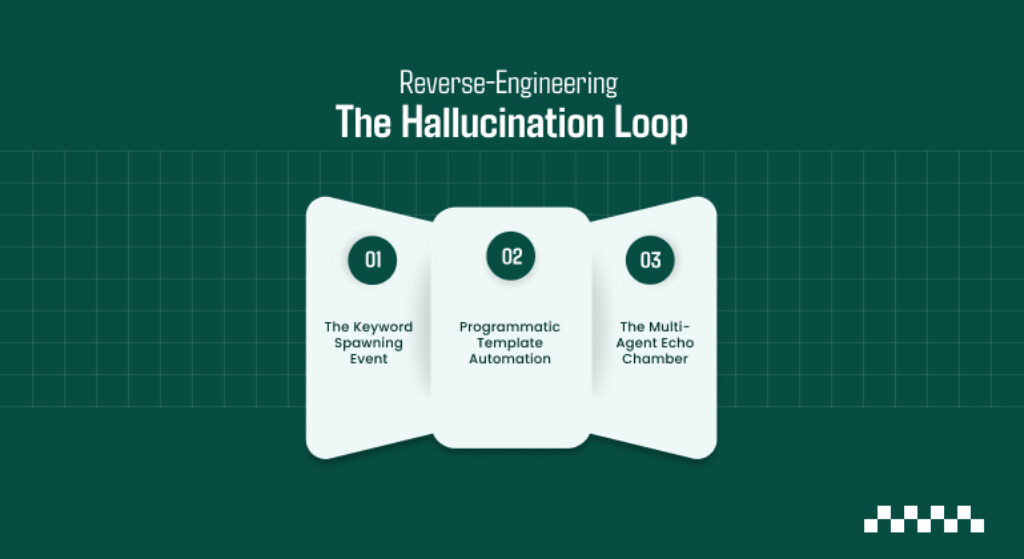
Reverse-Engineering The Hallucination Loop
How does a quiet, general-interest content blog get forcefully rewritten into a multi-tiered cloud application by automated third-party networks?
This isn’t a human error. This is a structural algorithmic feedback loop, and it operates in four distinct stages.
Stage 1: The Keyword Spawning Event
It always starts with raw data hooks.
When an independent site like Snapjotz Com updates its domain framework, builds new contextual categories, or begins generating search momentum, programmatic tracking tools register a sudden shift in search frequency.
To an automated scraper, a keyword string ending in “com” looks exactly like an unmapped tech startup or a brand-new productivity platform.
Stage 2: Programmatic Template Automation
Lower-tier tech review networks frequently run hands-off, automated content pipelines designed to capture long-tail clicks.
When their programmatic crawlers flag “Snapjotz,” an artificial intelligence generation agent is triggered.
Because the word sounds like a productivity app (a blend of “snap” for media and “jot” for text), the automated system selects a pre-configured SaaS review script.
Instead of performing actual primary-source verification, the generation tool builds structural authority by inventing realistic parameters.
It copies the storage frameworks of real applications – like Notion, Evernote, or Google Keep – and mathematically calculates realistic, dummy price thresholds ($4.99, $14.99) to satisfy search query templates.
Stage 3: The Multi-Agent Echo Chamber
Once the first AI-generated review goes live, the algorithmic pollution duplicates exponentially.
Secondary and tertiary web-scraping systems crawl the first fake review. They treat this initial programmatic fiction as a primary historical record.
The secondary systems rephrase the claims, structure them into comprehensive feature tables, and publish them across independent forums.
Within weeks, the internet builds an entire consensus network verifying an application that nobody ever wrote a single line of code for.
The Dangerous Implications For Digital Marketing
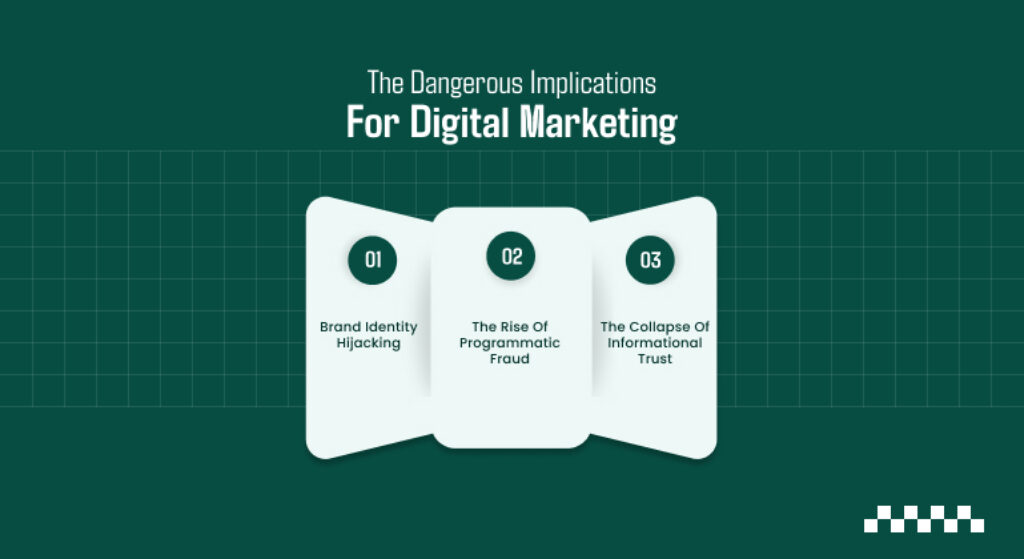
This phantom ecosystem doesn’t just confuse consumers; it reveals critical vulnerabilities in the tech and marketing landscapes that we have to address.
Brand Identity Hijacking
Imagine building an independent blog or a digital storefront, only to have an army of automated scrapers unilaterally decide what your business model is.
The owners of Snapjotz are trying to run an advertising-supported media site, but the internet has falsely branded them as a paid subscription software.
This creates massive brand confusion and floods administrative channels with confused users looking for app downloads.
The Rise Of Programmatic Fraud
If plenty of reviews for invisible tools flood the search results, then the exploits begin.
If malicious users find thousands of users requesting a “Snapjotz download link,” they will probably easily put together viruses and trojans (.apk or .exe packages), make them look like the real deal, and then give millions of users the chance to infect themselves by trying to find a note-taking application.
The Collapse Of Informational Trust
As marketers, we need the entire industry to buy into trust. When automated content loops vomit into search engine indexes to this extent, it tarnishes the user experience across the board.
When a user cannot trust a direct software review on a tech blog, they stop following external links altogether, damaging legitimate authors who do real research.
The Tech Marketer’s Guide To Digital Hygiene
We have a responsibility to clean up digital data streams.
Next time you see high-volume branded keywords that look way out there, use this simple checklist to safeguard your brand and keep all your content very authoritative:
- Audit Root Privacy Registers: Always verify a website’s actual physical legal promises and administrative contacts directly on their main root, rather than on any third-party aggregator website.
- Look for User Interface Indicators: If a review of a product contains elaborate attempts to describe tools, but does not show an unedited screenshot of the original user interface dashboard, consider the report an automated hallucination.
- Track Code Registries: A genuine software application has a signature architectural footprint. Cross-vault official realms such as GitHub, BankedOS-bah, or Google Play to see if the software structure convention presently exists eye-to-eye with your compositional article.
The case of Snapjotz Com shows that the internet is no longer simply reporting on technology – it is now increasingly creating it.
We need rigorous, original-source confirmation and human analysis. Only then can we reestablish trust in the web.
Additional Resource: 2579xao6 New Software Name: Changing Business Workflows.