
What Is Unbanned G+? The 2026 Guide To Browser-Gaming Firewall Loophole

The phrase “Unbanned G+” is exploding across tech and app networks right now. You might also see it written as Unblocked Games G+ or Unbanned GPlus.
Many casual users make a common mistake here. They think the phrase means Google is bringing back its old social network, Google+.
However, the truth comes down to pure internet infrastructure.
What Is Unbanned G+?
In today’s world of tech, Unbanned G+ is a decentralized network of static browser games hosted on whitelisted enterprise cloud servers to bypass school and workplace firewalls.
According to the Unbanned G+ GitLab page, this one is a “popular term used by students, casual gamers, and online users who want quick access to browser-based games.”
Standard gaming directories just give you a basic list of links. We want to go much deeper than that. This analysis uncovers the actual tech architecture and infrastructure loopholes.
We will look at why network administrators cannot block these platforms without breaking essential school and work systems.
The Infrastructure Loophole: Why Firewalls Are Paralyzed

Unbanned G+ platforms do not rely on advanced hacking tricks. You do not need proxy chains or Virtual Private Networks (VPNs) to make them work.
Instead, they exploit a major design flaw in modern firewall software. They take advantage of the educational domain whitelist.
Firewalls like GoGuardian, Securly, and Lightspeed Filter look at root domain reputations. They analyze traffic as it enters the network.
If an administrator blocks a main domain because it hosts games, they face a massive problem. They end up causing serious collateral damage across their own network.
The Traffic Filtering Evaluation Process
- User Action: A user types an Unbanned G+ link into their browser on a managed school device.
- Firewall Interception: The network firewall intercepts the request immediately.
- Root Evaluation: The filter checks the root domain instead of the hidden subfolders.
- The Blocked Track: The firewall flags standard, standalone gaming sites as forbidden and blocks them instantly.
- The Allowed Track: The firewall approves trusted platforms like Google Sites or GitHub. The filter passes the traffic right through, and the embedded game runs natively in the browser tab.
The Three Pillars Of The Whitelist Exploit
- Google Subdomain Masking: Operators build gaming portals directly on Google Sites (://google.com). This masks the game data inside a sub-directory. Schools must keep this root domain open for classroom assignments, files, and templates.
- The Git Repository Pipeline: Developers increasingly build Unbanned G+ nodes through GitHub Pages (github.io) and GitLab Pages (gitlab.io). Computer science tracks and STEM classes need these coding environments. Network managers cannot block them globally without breaking classes.
- Content Delivery Network (CDN) Obfuscation: Operators serve game assets through public cloud CDNs. These assets include heavy textures, audio maps, and physics engines. The process blends gaming traffic right into legitimate, everyday web background traffic.
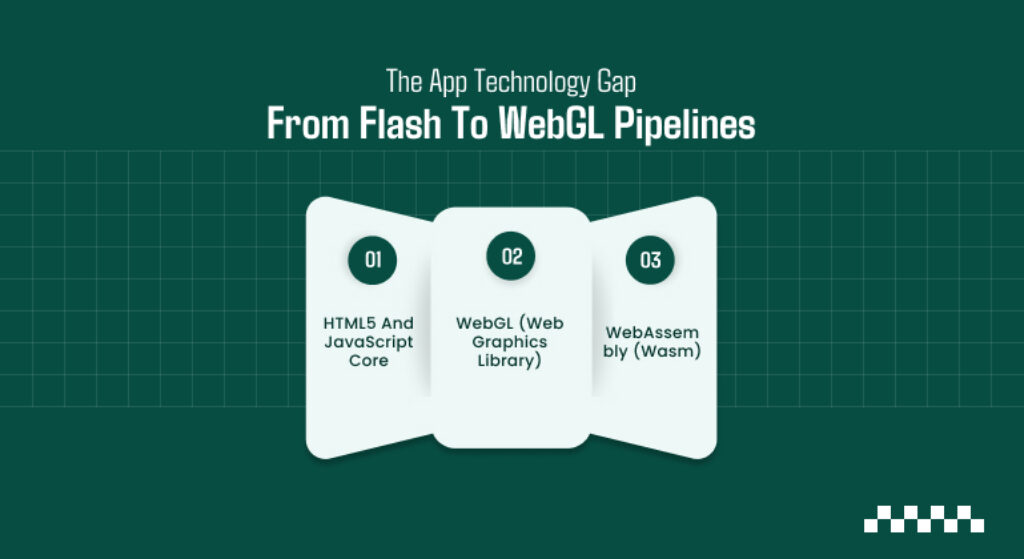
The App Technology Gap: From Flash To WebGL Pipelines
Many outdated tech articles still view browser gaming through the lens of Adobe Flash Player.
However, the modern Unbanned G+ ecosystem uses a highly efficient, native web application stack instead.
This technical shift is incredibly important. It allows platforms to leave an invisible local disk footprint on lightweight devices like managed Chromebooks.
Here are some of the major core native web standards keeping the system alive:
HTML5 And JavaScript Core:
Games run as native browser elements. They do not require third-party plugins, local installations, or administrator privileges. Everything compiles instantly inside temporary browser cache arrays.
WebGL (Web Graphics Library):
This JavaScript-based API at the lower level allows the platform to access the graphics card of the device directly. The game is rendered within an HTML canvas element.
It allows for more complicated games such as “Slope” and “1v1.lol” to run at 60 Frames per Second (FPS).
WebAssembly (Wasm):
Wasm acts as a bridge to boost execution speed. Developers write complex games in C++ or C# using engines like Unity or Godot.
They compile these games into high-performance binary containers. The containers run at near-native speed right inside your open browser tab.
Comparing Infrastructure Vectors In The Unbanned G+ Ecosystem
The browser gaming ecosystem shifts constantly. You can see how operators distribute their catalogs by looking at the main hosting channels:
| Hosting Vector | Detection Vulnerability | Why IT Admins Are Constrained |
| Google Sites | High; admins block them via explicit text paths if they find them manually. | Wholesale blocks break access to shared student projects and template hubs. |
| GitHub Pages | Medium; automated scraping algorithms can identify these project repositories. | Blocking the domain disrupts version-control tools for active STEM and coding classes. |
| GitLab Pages | Low-Medium; basic default firewall databases rarely monitor these links. | Developers use them for deployment pipelines; they are essential for tech classes. |
| Bitbucket Hubs | Low; systems treat these pages as a developer sandbox environment. | They serve as essential code repositories and cloud utility platforms. |
The Hidden Complexity: The Meanings Of “Unbanned G+”
The biggest content gap surrounding “Unbanned G+” is its role as a multi-use search term. The phrase acts as a linguistic umbrella. It covers completely distinct subcultures that have nothing to do with each other.
1. Browser-Based Gaming Portals
Students produce the largest group of search requests. They attempt to go through firewalls with clients that run within the most basic web window.
2. Alternative Social Spaces
Smaller developer communities rely on open-source architectures for fragmented, textual forums that imitate the format layout of the Google+ circles platform.
These communities exist completely independently of the main application stores, thereby avoiding the constraints of local content laws.
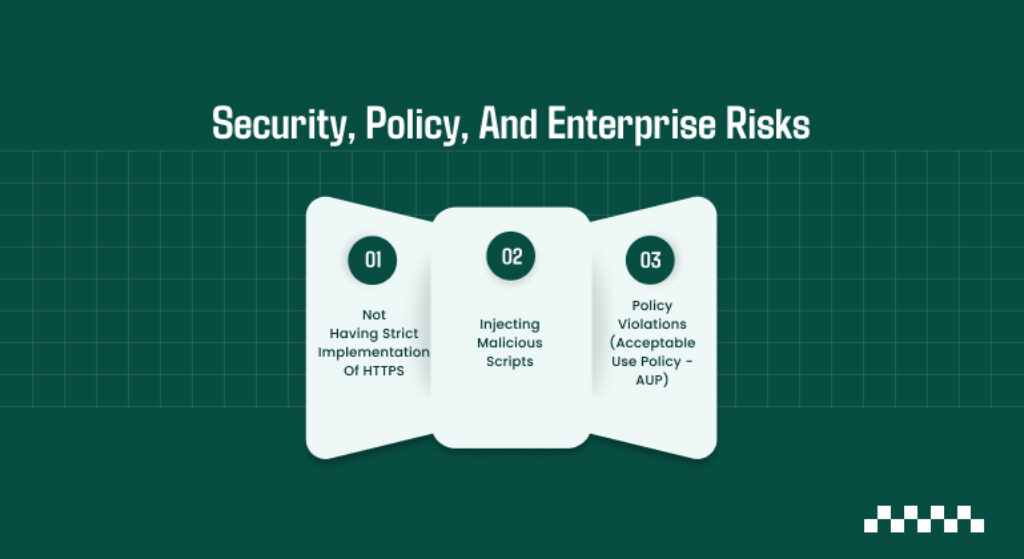
Security, Policy, And Enterprise Risks
While the technical approach employed by Unbanned G+ is also brilliant, it does come with serious implications for security and data privacy.
Not Having Strict Implementation Of HTTPS:
A number of ad-hoc mirror domains are not SSL/TLS secured, putting your local network nodes at risk of a man-in-the-middle attack.
Injecting Malicious Scripts:
They are not available through official distribution platforms such as the Google Play Store and Chrome Web Store.
Rogue actors are known to pair this up with an extremely aggressive monetization overlay in the form of hidden cryptomining, data harvesting cookies, and forced-redirect phishing.
Policy Violations (Acceptable Use Policy – AUP):
“Accessing gaming platforms through a school network, regardless of the bypass method used, typically violates the Acceptable Use Policy a student agreed to when the device was issued,” states The Eastern Herald.
In other words, bypassing the barriers set for these sites is what results in fine-grained violations on the admin dashboard.
Examples may include device locking, network disconnection, or even device bans in accordance with organization policy.
The Technical Cat-And-Mouse Game
The persistence of Unbanned G+ reflects an ongoing battle. Automated network security filters constantly fight against distributed deployment mechanisms.
Modern firewalls still rely heavily on rigid domain blocking. Because of this, static page hosts like Google Sites, GitHub, and GitLab will remain a resilient grey area.
They reveal a key challenge for enterprise network administrators. It is extremely difficult to restrict web games without breaking the essential digital tools people need for work and study.
Additional Resources: